The Mystery Is Gone: Why We're All a Little Over Our Favorite Celebrities Right Now
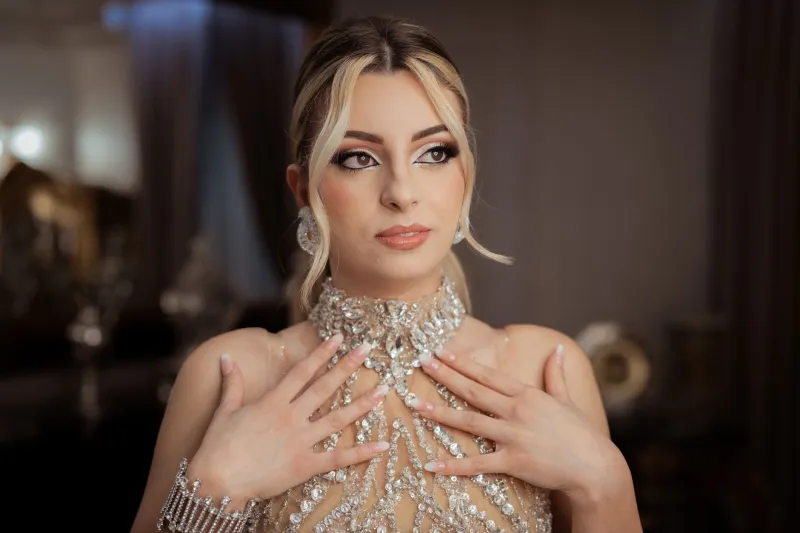
There was a time — not that long ago, actually — when a celebrity sighting felt like catching a glimpse of something rare. Like spotting a comet. You'd hear that so-and-so was eating at a restaurant in SoHo, or that a certain A-lister had been spotted at LAX, and it felt like a genuine cultural event. Now? That same celebrity is probably live on TikTok right now, showing you the inside of their refrigerator.
Something has shifted in celebrity culture, and if you've felt vaguely underwhelmed by your favorite famous people lately — like the thrill is gone but you can't quite put your finger on why — you're not imagining it. The entertainment industry is experiencing a paradox it didn't see coming: the more access we have to celebrities, the less compelling they seem.
Overexposure Is the New Career Risk Nobody Talks About
For decades, the entertainment industry ran on mystique. Studios carefully controlled what the public knew about their stars. Magazine profiles were choreographed events. Paparazzi photos felt illicit precisely because they were unauthorized glimpses behind the curtain. The distance between fan and celebrity was part of what made the whole thing intoxicating.
Social media didn't just close that distance — it obliterated it. And in the beginning, that felt exciting. Getting a direct window into a celebrity's actual life, their real opinions, their unfiltered moments, was genuinely novel. The early days of Twitter and Instagram created a kind of parasocial gold rush where proximity felt like intimacy.
But here's the thing about intimacy: it requires selectivity to stay meaningful. When a celebrity is posting four times a day across three platforms, sharing their skincare routine, their therapy breakthroughs, their political takes, and their brand partnerships — all in the same 24-hour window — the cumulative effect isn't connection. It's noise. And noise, eventually, becomes invisible.
The Algorithm Made Them Do It
It would be unfair to pin all of this on the celebrities themselves. The social media landscape has essentially forced public figures into a content creation arms race that very few of them signed up for when they got into entertainment.
The algorithm rewards consistency and volume. It punishes absence. A celebrity who goes quiet for two weeks risks losing reach, engagement, and relevance — at least by the metrics that platforms use to measure those things. So they post. And post. And post again. Not always because they have something genuine to say, but because the machine demands feeding.
The result is a kind of performative authenticity that's somehow more exhausting to watch than old-school PR polish. At least with the old studio system version of celebrity, everyone understood the performance was a performance. Now we're all pretending that a highly curated, brand-deal-laden Instagram post is a candid moment, and the pretending has gotten tiring for everyone involved.
Relatability Was Supposed to Be the Answer — It Created New Problems
Somewhere in the mid-2010s, "relatable" became the highest compliment you could pay a celebrity. Stars started leaning into their normalcy. They talked about their struggles with anxiety. They posted unflattering photos. They made self-deprecating jokes about their privilege. And for a while, it worked — audiences responded warmly to the idea that fame didn't have to mean being untouchable.
But relatability has a ceiling. The more a celebrity insists they're just like us, the harder it is to maintain the suspension of disbelief that makes celebrity culture fun in the first place. When Jennifer Lawrence was doing the "girl who trips at award shows" thing, it was charming. When it became a calculated brand strategy, it started to feel hollow. The audience caught on, because the audience always catches on.
There's also a generational dimension here worth noting. Younger audiences — particularly Gen Z, who grew up with social media as a native environment rather than a novelty — have a finely tuned radar for inauthenticity. They can spot a manufactured moment from a mile away, and they are significantly less forgiving about it than previous generations were.
What We Actually Miss (Even If We Won't Admit It)
Here's the uncomfortable truth: we miss the mystery. Not because mystery was more honest — old Hollywood was built on lies, carefully constructed personas, and a PR machine that would make today's influencer managers look like amateurs. But the mystery served a psychological function. It gave our imaginations room to work. The celebrity became a kind of cultural canvas onto which we projected our fantasies, aspirations, and collective desires.
When every inch of that canvas is filled in with content — when we know exactly what they eat for breakfast and how they feel about their childhood trauma and which brand of water they prefer — there's nothing left to project. The fantasy collapses under the weight of too much information.
The celebrities who still manage to hold our attention are, almost universally, the ones who understand this. Beyoncé's relative social media restraint is practically a case study in strategic mystique. When she does post, it's an event. The silence between the moments is what makes the moments matter. Same with figures like Adele, who periodically vanishes from public life entirely and returns to massive cultural enthusiasm.
So Where Does Fame Go From Here?
The entertainment landscape is recalibrating. There are early signs that the pendulum is starting to swing — that audiences are beginning to reward restraint over saturation, depth over volume, and genuine creative output over constant content generation. The most talked-about moments in pop culture right now tend to involve artists who let the work speak, not the feed.
That doesn't mean social media is going away, or that celebrities will stop using it. But the smartest ones are starting to treat it like a tool rather than a treadmill. They're learning that showing up less can actually make them more compelling — that the audience's imagination is still one of the most powerful forces in entertainment, if you give it space to run.
The magic isn't gone for good. It's just waiting for someone to remember that a little distance was always part of the spell.