Stop Chasing Trends: How to Build a Closet You'll Actually Love for Years
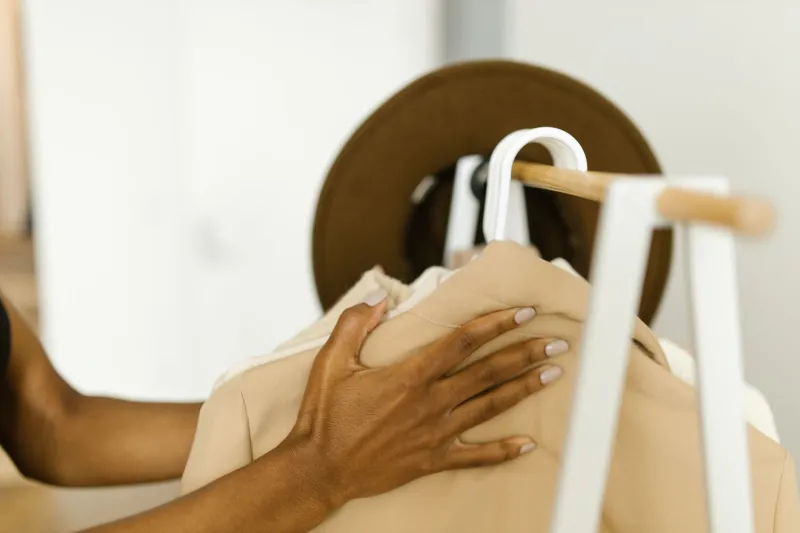
Let's be honest for a second. Most of us have opened our closets on a Tuesday morning, stared at a rail packed with clothes, and still felt like we had nothing to wear. Sound familiar? That's not a you problem — that's a fast fashion problem. We've been sold the idea that more is more, that every season demands a wardrobe overhaul, and that a $12 trend-piece from an online retailer is basically the same as investing in something real. Spoiler: it's not.
Slow fashion isn't just a buzzword floating around sustainable lifestyle blogs. It's a genuine mindset shift — one that trades the dopamine hit of a haul video for the quieter, longer-lasting satisfaction of knowing exactly what you own, why you own it, and how to wear it. And honestly? It looks better too.
Figure Out What You Actually Like (Not What the Algorithm Likes)
Before you buy a single thing, the most important work happens in your own head. Ask yourself: when you look back at photos of yourself and feel genuinely good about how you looked, what were you wearing? Not what was trending that month. Not what someone else was wearing that inspired you to copy the look. What was yours?
This is what style insiders call your personal style signature — the throughline of silhouettes, colors, and textures that show up again and again when you're dressing for yourself rather than for an audience. Maybe it's always a structured blazer. Maybe it's earthy tones and natural fabrics. Maybe it's a love of vintage denim that goes all the way back to high school.
Once you identify that signature, shopping becomes a completely different exercise. Instead of asking "is this on trend right now?" you start asking "does this fit my aesthetic?" That single shift will save you hundreds of dollars a year.
The Edit: How to Clear Space for What Matters
Before you can build something intentional, you have to deal with what's already there. Do a closet audit — and be ruthless about it. Pull everything out. Yes, everything. Sort into three piles: keep, donate, and the dreaded "maybe" pile that you're going to revisit in 48 hours with fresh eyes.
The keep pile should be items you've worn in the last year, that fit your body right now, and that make you feel like yourself when you put them on. Not items you're keeping because they were expensive, or because you might fit into them again, or because you wore them once to a great event and are holding onto the memory. Clothes aren't scrapbooks.
Donating is the easiest feel-good move in fashion. Thrift stores, local shelters, and clothing swap events in your city are all solid options. In major US cities, places like Goodwill, The Salvation Army, or community clothing drives are easy drop-off points. If something still has resale value, platforms like Poshmark or ThredUp let you recoup a little cash while passing pieces on to someone who'll actually wear them.
Building the Base: Quality Over Quantity, Always
Here's where intentional dressing really lives — in what fashion folks call the "capsule wardrobe" foundation. These are your non-negotiables: the pieces that anchor every outfit and never go out of style because they were never really "in" style to begin with. Think straight-leg dark-wash jeans, a well-cut white button-down, a neutral crewneck sweater, a blazer in a classic color, and a go-to dress that works dressed up or down.
The key is buying fewer of these items but spending more on each one. A $180 pair of jeans from a brand that uses quality denim and ethical manufacturing will outlast five $35 pairs from a fast fashion retailer — and look significantly better doing it. Brands like Everlane, Madewell, and Banana Republic Republic Factory have become go-to references for Americans building this kind of wardrobe, though thrift and vintage shopping can get you the same quality at a fraction of the cost if you're willing to do the digging.
The Vintage-Contemporary Mix: Where Things Get Interesting
Here's the part that takes a good closet and makes it a great one: vintage. Mixing secondhand and contemporary pieces is the move that separates someone who looks stylish from someone who looks like they just walked out of a catalog.
Vintage shopping — whether at your local Goodwill, a curated vintage boutique, or online through Depop or Vestiaire Collective — gives you access to pieces that nobody else in the room is wearing. A 1990s silk slip dress layered over a fitted white tee. A structured 1970s-era blazer paired with modern trousers. A vintage band tee tucked into a sleek midi skirt. These combinations feel fresh because they're actually original.
The trick is to let your vintage pieces be the statement and keep your contemporary basics exactly that — basic. The vintage item does the work; the rest of the outfit supports it.
Dressing Across Seasons Without Starting Over
One of the biggest myths fast fashion sells us is that seasonal transitions require new wardrobes. They don't. They require layering, fabric awareness, and a little creativity.
A linen dress worn alone in August can come back in October with a fitted turtleneck underneath and chunky boots. A heavy knit sweater that's your go-to in January can be tied around your shoulders over a sundress in May. Transitional dressing is a skill, and once you develop it, the "I have nothing to wear" panic disappears almost entirely.
Investing in a few key transitional pieces — a trench coat, a lightweight cardigan, a versatile ankle boot — gives you the tools to stretch every other item in your wardrobe across multiple seasons.
The Long Game
Building a wardrobe that actually lasts isn't glamorous in the way a haul video is. It doesn't get you a dopamine spike or 200 likes. But there's a different kind of satisfaction in opening your closet and knowing that everything hanging there is something you genuinely love, something that fits, and something that works. That's the slow fashion glow-up — and trust us, it looks really, really good.