Logged Off and Loving It: The Case for Ditching Your Curated Online Self

Somewhere between the golden hour selfie and the perfectly arranged coffee-and-journal flat lay, a lot of people quietly snapped. Not in a dramatic, phone-in-the-toilet kind of way. More like a slow, creeping exhaustion with the whole performance of it. The realization that they'd spent more time documenting their life than actually living it — and that the version of themselves they'd been broadcasting had very little to do with who they actually were on a random Wednesday morning.
What's happening now is genuinely fascinating. Across social media, in conversations about personal branding, and in the way people are starting to think about style, there's a growing rejection of the curated self. And it's not coming from people who never cared about aesthetics. It's coming from the people who cared the most.
The Aesthetic Industrial Complex
Let's be honest about what Instagram (and TikTok, and Pinterest before that) turned personal style into. It stopped being about how you actually dressed and started being about how your wardrobe looked as a grid. People bought things not because they loved them but because they fit the vibe. Apartment décor became content. Meals became content. The dog became content. Even grief, even anxiety, even the messy stuff — it all got packaged into something digestible and shareable.
The problem with performing a version of yourself is that it requires constant upkeep. Aesthetics shift. Trends move. The cottagecore phase ends and suddenly your whole wardrobe feels like a costume from a play you're no longer in. And underneath all of it, there's this nagging question: Is any of this actually me?
What "Aesthetic Quiet Quitting" Actually Looks Like
It doesn't look like giving up on caring about how you look or present yourself. That's a misconception worth clearing up. This isn't about becoming deliberately sloppy or rejecting all visual intention. It's more nuanced than that.
It looks like posting a photo where your hair isn't done because you wanted to share the moment, not manufacture one. It looks like wearing an outfit that makes zero sense as a "look" but feels exactly right for your Tuesday. It looks like stepping back from the brand deals and the content schedules and asking: if I weren't trying to build an audience, what would I actually wear? What would I actually say?
For a lot of people, that question is uncomfortable at first. Because the curated version of themselves has been running so long that they've genuinely lost track of the person underneath it.
Why Realness Is Winning Right Now
There's a cultural fatigue with polish. We've all gotten so good at spotting the performance that authenticity — genuine, unfiltered, slightly awkward authenticity — reads as luxury now. It signals that someone doesn't need to impress you. That's a different kind of status.
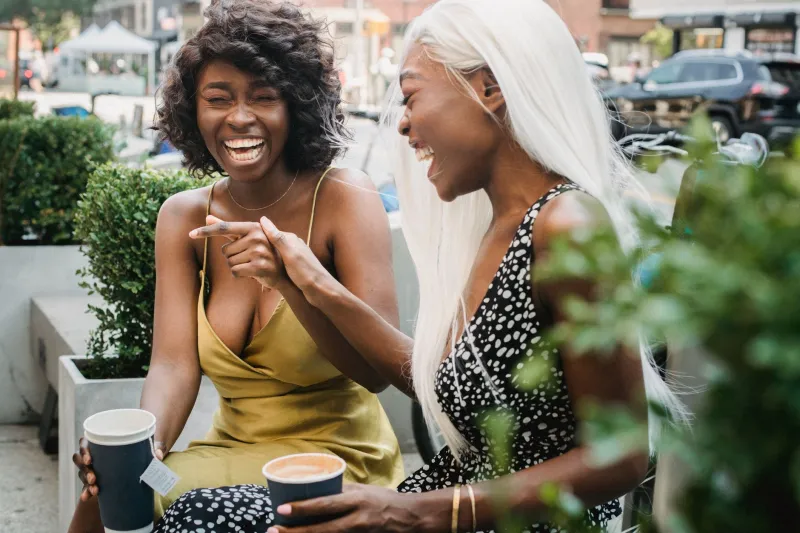
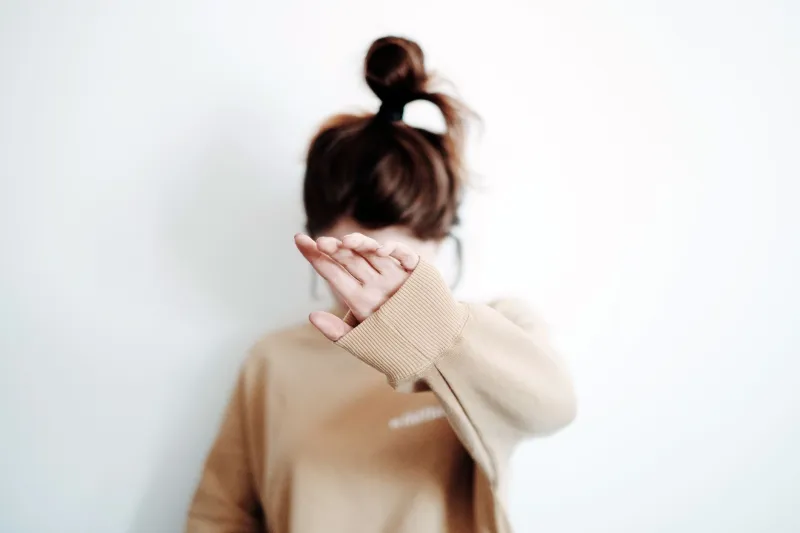
You see it in fashion, where the "undone" look keeps cycling back. Messy buns that are actually messy. Vintage pieces that weren't styled, just worn. Outfits that look like someone got dressed for themselves and happened to be photographed. The most compelling people in style spaces right now aren't the ones with the most cohesive grids — they're the ones who seem like they'd dress exactly the same way whether a camera was there or not.
There's also a mental health dimension here that's hard to ignore. The research on social comparison and curated feeds is pretty grim. But what's interesting is that people aren't just consuming less of this content — they're starting to opt out of producing it. And the anecdotal reports from people who've stepped back from their aesthetic performances consistently point to the same thing: relief.
The Personal Branding Question
Now, some people will push back here — especially anyone building a career around their online presence. Doesn't ditching your aesthetic mean losing your brand? Maybe. Or maybe it means finding a better one.
The most durable personal brands aren't built on a color palette. They're built on a point of view. On consistency of voice, not visual consistency. People who've let go of their carefully constructed aesthetic and leaned into just... talking like themselves, sharing what they actually think, showing up in a way that feels sustainable — a lot of them have found that their audience got smaller but more engaged. More real.
That trade is worth considering.
So What Do You Do With This?
You don't have to blow up your Instagram or throw out everything you own. But it might be worth sitting with a few questions:
When you get dressed in the morning, are you dressing for yourself or for the possibility of being photographed? When you share something online, is it because you genuinely wanted to share it, or because it fits what you've built? Is your aesthetic an expression of who you are, or a character you've been playing?
None of this is about rejecting beauty or intentionality. Style still matters. How you present yourself to the world still communicates something. But there's a real difference between dressing with intention and dressing for an algorithm.
The most interesting thing you can wear right now? Yourself — the actual version, not the one you've been art-directing for the last three years.
Turns out, that one fits a lot better.